Primary Composition Notebook KDP: A Complete Guide
Creating educational resources for early learners requires a specific balance of structure and creative freedom. For authors, educators, and self-publishers using Amazon KDP, the Primary Composition Notebook - KDP format represents one of the most practical and high-demand niches in low-content publishing. Unlike standard lined journals designed for adults or older students, these notebooks are engineered specifically for children in Grades K-2 who are developing foundational literacy skills. Understanding the unique specifications and pedagogical value of this format is essential for creating a product that truly serves teachers, parents, and young writers.
Understanding the Specialized Layout
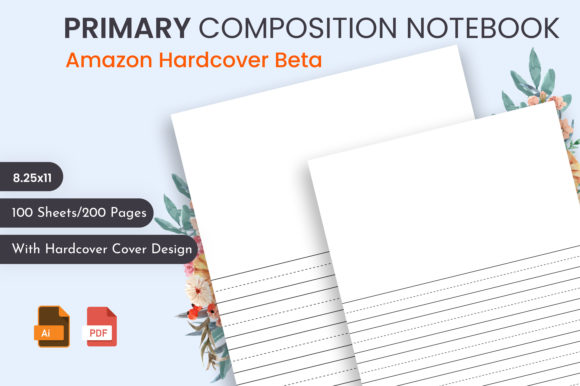
The defining characteristic of a primary composition notebook is its hybrid layout. Standard college-ruled or wide-ruled paper is often overwhelming for a child just learning to form letters. A proper Primary Composition Notebook with picture space solves this by dividing the page real estate effectively. The top half of the page typically features an open box or blank space dedicated to drawing. This is not merely decorative; it serves a critical cognitive function. For emerging writers, illustrating a story helps organize thoughts before they attempt to transcribe them into text. It bridges the gap between abstract ideas and concrete language.
The bottom half utilizes specialized skip line spacing rather than standard single lines. This section usually contains six lines per page, featuring a thicker baseline and slightly wider midline dashes. These visual guides are non-negotiable for quality handwriting practice. The distinct baseline provides a solid anchor for letter placement, while the dashed midline offers a clear boundary for lowercase letters like 'a', 'c', and 'e'. Without these specific typographic adjustments, young learners struggle with proportion and spatial awareness. When designing for KDP, ensuring these lines are crisp, dark enough to be seen but light enough to write over, and correctly spaced is what separates a professional resource from an amateur upload.
Technical Specifications for KDP Success
When preparing a manuscript for print-on-demand, precision matters. The industry-standard size for this niche is large format, specifically 8.25 x 11 inches. This dimension provides ample room for both the illustration area and the writing practice zone without feeling cramped. A standard configuration includes 100 sheets, resulting in 200 pages. This thickness creates a substantial softcover volume that feels durable enough for daily classroom use yet remains lightweight for small backpacks.
For creators managing their own production pipeline, file preparation is the most common point of failure. High-quality, print-ready PDFs are mandatory. While some designers work directly in Canva or similar tools, professional results often come from editable AI files or meticulously formatted JPEG and PDF cover designs. Before uploading any Primary Composition Notebook - KDP project, the interior and cover files must be tested against KDP’s current margin and bleed requirements. Ink spread on standard white paper can cause lines to blur if they are too thin, so vector-based line work is always preferable to rasterized images. Ensuring your files have passed automated pre-flight checks saves time and prevents rejected submissions.
Educational Value and Classroom Application
Teachers and homeschooling parents seek out these notebooks because they align with developmental milestones. In kindergarten through second grade, the curriculum heavily emphasizes narrative structure and fine motor development. A story journal format supports both simultaneously. When a student draws a picture of their weekend and then writes about it using the guided lines, they are practicing sequencing, vocabulary recall, and pencil grip in a single activity.
This format also supports differentiated instruction. Advanced writers can utilize the full six lines for detailed sentences, while struggling writers might only use two or three lines accompanied by a larger drawing. The flexibility makes it a staple for diverse classrooms. Furthermore, the physical act of writing in a dedicated book fosters a sense of ownership and pride. Unlike loose worksheets that get lost or crumpled, a bound composition book becomes a portfolio of progress that parents cherish and students reference.
Why Cover Design Matters for Engagement
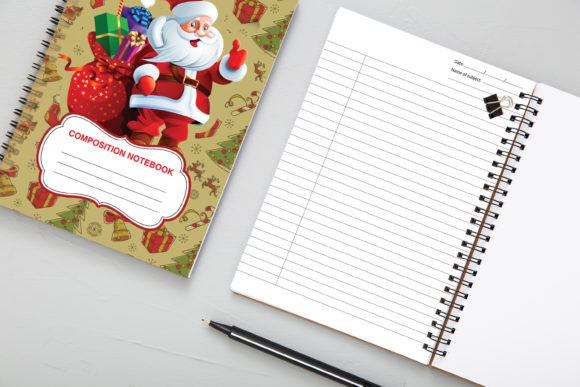
While the interior functionality drives repurchases, the cover drives the initial sale. Children in the K-2 demographic respond strongly to visual cues. Generic, text-only covers rarely perform as well as those featuring cute, age-appropriate graphics. There is a significant market need for varied aesthetics that appeal to different interests. Some students prefer animals, others space themes, unicorns, vehicles, or minimalist patterns. Offering a range of cover options ensures that every child can find a notebook that feels personally theirs.
For publishers and authors, this means avoiding the "one-size-fits-all" approach. Creating series with matching interiors but distinct covers allows you to capture multiple segments of the same audience. If you are looking to expand your catalog or personal collection, exploring diverse artistic styles is key. Please click on the author name for many more affordable notebook choices for your classroom or personal use, as maintaining a broad selection helps meet the varied tastes of young boys and girls.
Practical Considerations for Buyers and Creators
Whether you are purchasing for a class of thirty students or designing your next bestseller, there are several factors to weigh. Paper quality is paramount. Primary-aged children often use pencils, erasers, and occasionally markers. Thin paper leads to bleed-through and frustration. While KDP standard color paper is acceptable for pencil work, creators should manage customer expectations regarding heavy marker use. Clearly stating the intended use case in the product description helps reduce returns and negative reviews.
Another consideration is the binding durability. Softcover perfect binding is standard for KDP, but the glue needs time to cure. Educators buying in bulk should order sample copies first to verify that the binding withstands daily abuse. For creators, this means avoiding placing critical content too close to the gutter margin. Young children do not always respect margins, and binding glue can obscure lines if the safe zone isn't observed.
The Gift-Giving Appeal
Beyond the classroom, these notebooks serve as excellent gifts. Composition books are frequently one of the most gifted items for birthdays, holidays, and back-to-school seasons. They represent a thoughtful alternative to screen time, encouraging creativity and offline engagement. Grandparents, aunts, uncles, and family friends appreciate gifts that support education without feeling like homework. A beautifully designed story journal signals that the giver values the child's imagination and intellectual growth.
For entrepreneurs in the KDP space, positioning these notebooks as gifts expands the target audience beyond just teachers. Marketing copy should highlight the emotional benefit of preserving childhood memories alongside the functional benefit of handwriting practice. Bundling options or seasonal cover releases can further capitalize on gift-giving cycles throughout the year.
Making the Right Choice
Ultimately, the success of a Primary Composition Notebook - KDP project hinges on empathy for the end user. It is not enough to simply place lines on a page. The spacing must be developmentally appropriate, the drawing area must be inviting, and the overall aesthetic must resonate with a six-year-old. For buyers, prioritizing specs like the 8.25 x 11 size and proper skip-line formatting ensures the tool actually aids learning rather than hindering it. For creators, rigorous testing and attention to detail transform a simple digital file into a valuable educational asset. By focusing on quality, utility, and child-centric design, these notebooks continue to be an indispensable resource in early childhood education.