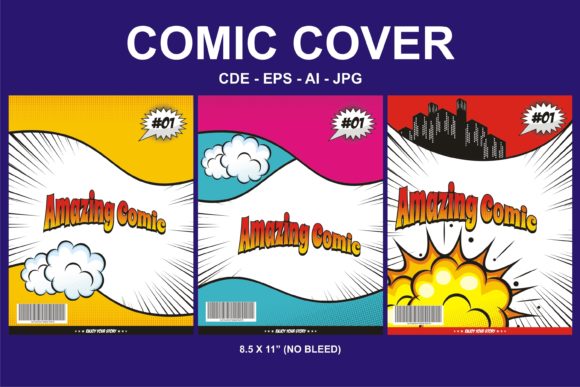
Comic Cover Template: Design with JPG EPS AI CDR Files
A professional comic book cover is more than just a protective wrapper; it is the primary marketing tool for the story within. For independent creators, self-publishers, and graphic designers, starting from a blank canvas can be daunting and time-consuming. A high-quality Comic Cover Template solves this bottleneck by providing a structurally sound foundation that respects industry standards while leaving ample room for artistic expression. When you download a resource package containing JPG, EPS, AI, and CDR files, you are not merely getting a static image; you are acquiring a versatile design system adaptable to virtually any workflow or software preference.
The true value of these multi-format templates lies in their accessibility and editability. Whether you are a seasoned illustrator using Adobe Illustrator, a print shop operator relying on CorelDRAW, or a marketer needing a quick mockup in Photoshop, having access to specific file types ensures compatibility. This flexibility allows you to focus on narrative impact and visual hierarchy rather than struggling with technical setup, bleed margins, or spine calculations.
Understanding the File Format Ecosystem
To maximize the utility of a Comic Cover Template, it is essential to understand what each included file format offers. Each extension serves a distinct purpose in the creative pipeline, catering to different stages of production and varying skill levels.
- AI (Adobe Illustrator): This is typically the master source file. It contains fully editable vector paths, typography layers, and color swatches. Designers use AI files to modify the template’s structural elements, adjust dimensions for non-standard comic sizes, or integrate custom hand-lettering without quality loss.
- EPS (Encapsulated PostScript): The universal vector standard. If you do not own Adobe products but still require scalable vector editing, the EPS file is your bridge. It maintains layer integrity in most professional design software and is ideal for sending designs to commercial printers who may use different RIP software.
- CDR (CorelDRAW): Vital for sign makers, apparel printers, and designers in regions where CorelDRAW is the industry standard. Having a native CDR version eliminates conversion errors that often occur when importing AI or EPS files into Corel, ensuring text remains editable and curves stay smooth.
- JPG (High-Resolution Raster): While not editable in the traditional sense, the high-res JPG serves as an immediate reference, a portfolio placeholder, or a base for digital painting. Digital artists often import the JPG into Procreate or Clip Studio Paint to trace over the layout or use it as a texture guide before finalizing their artwork.
Creative Applications Beyond Traditional Comics
While designed for sequential art, the structural principles of a Comic Cover Template translate effectively to numerous other creative projects. The grid systems, title placement zones, and barcode areas inherent in these templates provide a disciplined framework that benefits various media formats.
Zines and Independent Publishing
Zine culture thrives on aesthetic experimentation, but readability remains paramount. Using a template ensures that your experimental collage or hand-drawn title does not get lost in the gutter or trimmed off during binding. Creators can utilize the safe zone guides included in AI and EPS files to place critical visual information securely. This is particularly useful for digest-sized or mini-comic formats where margin errors can ruin an entire print run. By adapting a standard template, zine makers achieve a professional finish that appeals to distributors and readers alike.
Podcast and Album Artwork
Audio content requires visual packaging that communicates genre and tone instantly. The vertical composition and bold typography zones of a comic cover map surprisingly well to podcast covers and vinyl sleeves. Marketers and musicians can repurpose the template’s focal point areas for host portraits or band logos, utilizing the negative space designed for credit blocks to list episode numbers or track listings. The result is artwork that feels dynamic and narrative-driven, distinguishing it from generic minimalist audio branding.
Educational Materials and Workshops
Educators teaching visual storytelling or graphic design can use these templates as pedagogical tools. Instead of asking students to design a cover from scratch, instructors can provide the EPS or AI template as a constraint-based exercise. Students learn to work within established parameters, focusing on how illustration interacts with pre-existing typographic hierarchies. This mirrors real-world freelance scenarios where artists must adhere to publisher style guides, making the learning experience both creative and professionally relevant.
Adapting Templates for Different Audiences
A single Comic Cover Template can yield vastly different results depending on who is using it and for what purpose. Customization is key to avoiding the "stock asset" look and ensuring the final product resonates with its intended audience.
For Entrepreneurs and Small Business Owners: If you are launching a branded comic series for corporate training or internal communications, consistency is vital. Use the master AI file to create a locked style guide. Define specific Pantone colors and approved fonts within the template. This ensures that even if different freelancers illustrate future issues, the brand identity remains cohesive across the series. The CDR file can also be repurposed for creating matching merchandise like bookmarks or convention banners.
For Freelance Illustrators: Speed and reliability define a successful freelance career. Maintaining a personal library of vetted Comic Cover Templates allows you to respond quickly to client briefs. When a publisher requests a pitch sketch, you can drop rough concepts into the JPG or low-res AI template to demonstrate composition and logo integration immediately. This proactive approach shows clients you understand production requirements, increasing your chances of securing the contract.
For Hobbyists and Fan Artists: Creating fan art or tribute covers is a beloved pastime, but sharing it online requires proper formatting. Using a template ensures your digital art displays correctly on social media platforms and portfolio sites. Furthermore, if you decide to print your fan creation for a convention table, the included bleed and trim marks prevent costly printing mistakes. Just ensure you clearly label derivative works to respect intellectual property rights while showcasing your technical proficiency.
Maintaining Originality Within Structured Frameworks
A common concern when using any design asset is losing uniqueness. However, a template should be viewed as a skeleton, not a skin. The structure supports the work, but the flesh and personality must come from you. To keep results original and effective, treat the template’s guidelines as suggestions rather than absolute rules once you have mastered them.
Start by breaking the grid intentionally. If the template places the title at the top third, try integrating it into the environment behind the main character. Use the AI file’s layer structure to rearrange elements, moving the price box or issue number to unconventional locations that better suit your specific illustration. The goal is to use the template to solve technical problems so your creative energy can focus entirely on visual storytelling.
Additionally, customize the typography. Never leave the placeholder font in a final design unless it perfectly matches your brand. Replace generic headers with custom lettering or licensed typefaces that reflect the story's era and mood. In vector formats like EPS and AI, converting text to outlines before sharing or printing prevents font substitution issues, preserving your unique typographic choices.
Practical Workflow Recommendations
To get the most out of your INCL FILE JPG EPS AI CDR package, establish a disciplined workflow. Always begin by checking the document settings against your printer’s specifications. Bleed requirements vary between 0.125 inches and 0.25 inches depending on the vendor; verifying this in the AI or CDR file before designing saves hours of rework later.
Organize your layers meticulously. Rename generic layers like "Layer 1" to descriptive titles such as "Background Art," "Title Treatment," and "Barcode Area." This organization is crucial if you collaborate with others or return to the project months later. When exporting final files, always retain a packaged version with linked images and embedded fonts to ensure portability.
Finally, leverage the JPG proofing stage. Before committing to high-resolution rendering or expensive vector adjustments, export a low-res JPG to test readability at thumbnail size. Most comic covers are first seen as tiny icons on digital storefronts or social feeds. If the title is illegible or the focal point is muddy at small scales, adjust the template’s hierarchy immediately. This practical validation step ensures your creative vision translates effectively across all viewing contexts, from mobile screens to physical newsstands.