Flower Themed Lined Journal: Ready for KDP Success
Creating a successful low-content book on Amazon KDP often comes down to finding the perfect intersection between aesthetic appeal and technical precision. A flower themed lined journal represents one of the most enduring niches in self-publishing because it combines universal visual beauty with practical utility. For creators, entrepreneurs, and hobbyists looking to expand their catalog, this specific type of journal offers a streamlined path to publication. When you have a design that is ready to upload to KDP, the barrier to entry lowers significantly, allowing you to focus on marketing and niche research rather than spending hours formatting margins or worrying about bleed settings.
This resource is designed to take the guesswork out of the production phase. By utilizing pre-formatted interiors and high-quality cover templates, you can launch a professional-grade product quickly. The floral aesthetic is particularly versatile, appealing to a wide demographic ranging from students and teachers to wellness coaches and creative writers. Understanding how to leverage these ready-made assets effectively can transform your publishing workflow from a time-consuming chore into a scalable business model.
Understanding the Product Specifications
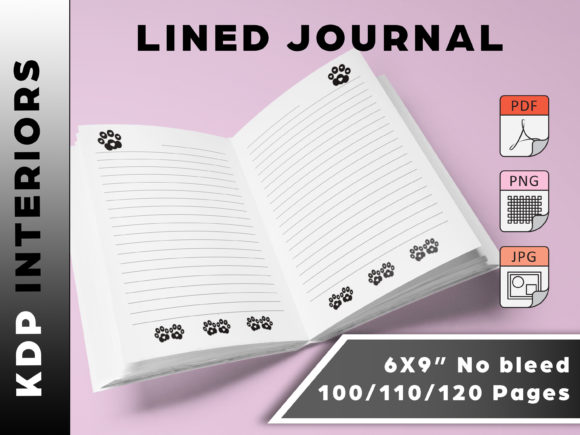
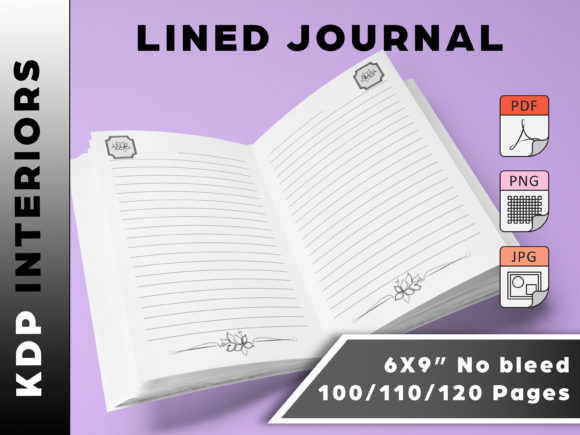
Before listing any book on Amazon, it is vital to understand exactly what you are selling. Technical accuracy prevents printing errors and negative reviews. This flower themed lined journal template is built around industry-standard specifications that ensure compatibility with KDP’s printing requirements. The 6 x 9 inch trim size is arguably the most popular format for journals and notebooks. It strikes an ideal balance between portability and writing space, fitting easily into handbags, backpacks, and desk drawers without feeling too small for substantial note-taking.
The interior options include 100, 110, or 120 pages, giving you flexibility in pricing and perceived value. Crucially, these templates are set up as "no bleed." This means all content, including lines and decorative elements, stays safely within the margins away from the trim edge. No-bleed interiors are generally safer for beginners because they reduce the risk of critical content being cut off during the manufacturing process. The files are provided in editable formats like PDF, PNG, and JPG, ensuring you can customize the title page or add branding while maintaining a high-quality print-ready resolution.
Why Floral Designs Remain a Bestselling Niche
Trends in low-content publishing come and go, but botanical and floral designs maintain steady demand year-round. This longevity makes them a safer investment for new publishers compared to fleeting fads. A flower themed lined journal appeals to emotion and aesthetics, which drives impulse purchases. Customers often choose these journals not just for the paper inside, but for how the cover makes them feel. Whether it is a vintage rose pattern for a gratitude journal or a bright wildflower design for a summer planner, the imagery communicates a specific mood before the customer even reads the description.
For marketers and sellers, this emotional connection translates to better conversion rates. Floral themes also allow for easy sub-niche targeting. You can create variations for specific seasons, holidays like Mother’s Day, or specific interests like gardening and nature study. Because the core interior remains consistent across these variations, you can build a cohesive brand series that encourages repeat purchases from loyal customers who love your specific artistic style.
Practical Applications for Diverse Audiences
Versatility is key when positioning a journal for sale. While the design is floral, the function is universal. Understanding the various use cases helps you write better keywords and descriptions. Here are several realistic ways different audiences utilize these journals:
- Educators and Students: Teachers often use aesthetically pleasing journals for lesson planning or reflective teaching logs. Students prefer beautiful notebooks for literature classes or personal diaries, making the 6x9 size perfect for campus life.
- Wellness and Mindfulness Practitioners: Yoga instructors, therapists, and life coaches frequently recommend journaling. A soft, floral cover feels inviting and safe, encouraging clients to engage in daily reflection, gratitude practice, or shadow work.
- Creative Professionals: Writers, poets, and bloggers use lined journals for drafting ideas away from screens. The tactile experience of writing on quality paper with a beautiful cover can help overcome creative blocks and inspire flow states.
- Small Business Owners: Entrepreneurs use these for meeting notes, brainstorming sessions, or as branded merchandise. A custom-branded floral journal can serve as a thoughtful client gift or employee appreciation item.
- Gardeners and Nature Enthusiasts: The thematic alignment is obvious here. These journals serve perfectly as planting logs, harvest trackers, or nature observation diaries where users can record seasonal changes alongside their sketches.
Navigating Customization and Upload Readiness
Having a "ready to upload" file does not mean you should skip the customization step entirely. To stand out in a competitive marketplace, you must make the product your own. The editable PDF and image files allow you to modify the title page, add a copyright notice, or include a personalized message to the user. This small effort adds significant value and distinguishes your book from others using similar base templates.
When preparing your cover, ensure your text hierarchy is clear. The title should be legible at thumbnail size. Since the provided cover templates are high-quality and print-ready, your primary task is integrating your unique title and author name seamlessly. Always double-check that your spine width calculation matches your chosen page count (100, 110, or 120). Using the wrong spine template for your page count is the most common reason for KDP rejection. Fortunately, having distinct files for each page count eliminates this confusion if you select the correct corresponding file.
Strategic Considerations Before Publishing
While the technical heavy lifting is done for you, strategic thinking is still required. Before you hit publish on your flower themed lined journal, consider the competitive landscape. Search Amazon for similar terms and analyze the top results. Are the covers cluttered or clean? What price points are working? Your ready-made template gives you a professional foundation, but your market research dictates how you position it. If everyone else is doing dark moody florals, perhaps a light, airy watercolor approach will capture attention.
Pricing strategy is another critical factor. With standard page counts like 100 to 120 pages in a no-bleed format, your printing costs are predictable. Calculate your royalties carefully to ensure profitability while remaining competitive. Remember that customers perceive higher value in books with more pages, so testing the 120-page version against the 100-page version at a slightly higher price point can sometimes yield better overall margins.
Finally, consistency builds authority. If this floral journal performs well, consider expanding the line. Following creators who release new products weekly can provide inspiration and keep your catalog fresh. Building a recognizable brand around a specific aesthetic, such as botanical illustration or vintage florals, helps customers identify your work instantly. When you combine high-quality, print-ready assets with smart niche selection and consistent branding, you create a sustainable publishing asset that serves both your business goals and your customers' needs.