Blog Post Planner Journal KDP: Streamline Content Creation
Consistency is the currency of successful blogging, yet maintaining a steady stream of high-quality content often feels like an uphill battle against disorganization. For digital creators, marketers, and entrepreneurs, the gap between having a brilliant idea and publishing a polished article is frequently filled with lost notes, forgotten keywords, and scattered drafts. A dedicated Blog Post Planner Journal KDP interior addresses this friction by providing a structured, physical space to organize digital workflows. Rather than relying solely on fragmented apps or endless browser tabs, this tool bridges the analog and digital worlds, allowing creators to map out strategies, track SEO elements, and maintain editorial calendars in one cohesive location.
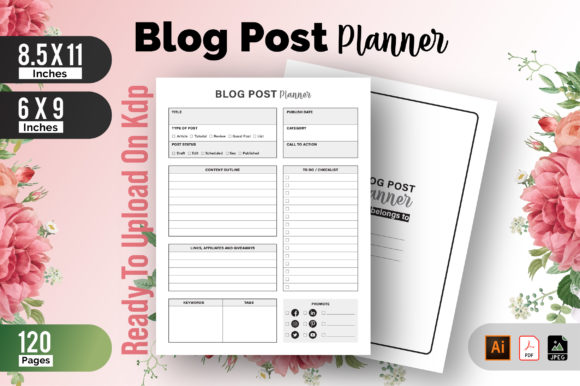
The value of this specific planner lies in its technical readiness and adaptability for self-publishers. It is not merely a notebook; it is a pre-formatted KDP interior designed to eliminate the guesswork from book creation. With 120 pages of unique layouts and included editable source files, it serves dual purposes: as a functional tool for personal productivity and as a viable low-content book product for publishers looking to expand their catalog. Understanding how to leverage these features can significantly impact both your content strategy and your publishing efficiency.
Optimizing Workflow Through Strategic Layout Design
The primary advantage of using a specialized blog planner over a generic notebook is the intentionality behind the layout. Generic lined paper does not prompt you to consider meta descriptions, target keywords, or internal linking strategies. This Blog Post Planner Journal KDP interior incorporates specific fields that guide the user through the essential components of modern content marketing. When a writer sits down to plan a post, the structure acts as a checklist, ensuring that critical SEO and engagement elements are considered before drafting begins.
For professionals managing multiple clients or complex content calendars, this structured approach reduces cognitive load. Instead of trying to remember every component of a successful blog post, the planner externalizes that mental effort. You might use one page to brainstorm topic clusters and another to outline the specific header structure for a long-form guide. This separation of ideation and execution helps prevent burnout and keeps the creative process moving forward. The 120-page count provides substantial capacity for quarterly or even annual planning without becoming unwieldy, striking a balance between comprehensive utility and portability.
Selecting the Right Dimensions for Your Audience
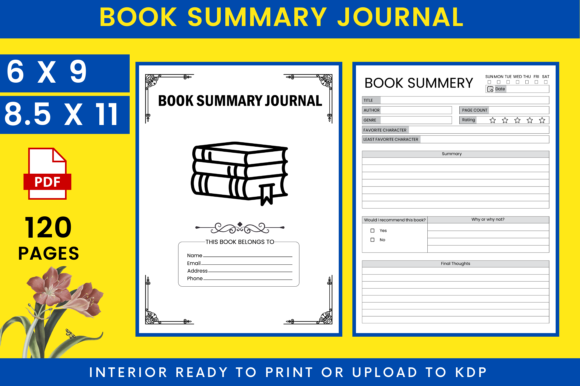
One of the most practical considerations when utilizing or publishing this planner is the choice between the two available dimensions: 8.5″ x 11″ and 6″ x 9″. This decision should be driven by the intended use case rather than aesthetic preference alone. The 8.5″ x 11″ format offers expansive real estate, making it ideal for detailed content strategists, educators creating course materials, or marketers who need space for mind mapping and extensive keyword research alongside their editorial calendar. The larger size accommodates complex tables and wider margins for annotations, functioning more like a desktop workbook.
Conversely, the 6″ x 9″ option caters to hobbyists, travel bloggers, and freelancers who require mobility. This trim size fits easily into standard bags and is less intimidating for users who prefer concise planning sessions. For KDP publishers, offering both sizes can capture different market segments. However, if you must choose one, analyze your target demographic’s behavior. Corporate professionals often prefer the letter size for desk work, while lifestyle creators tend to favor the compact versatility of the 6x9 format. Both versions maintain the same no-bleed specification, which simplifies printing and ensures that critical planning areas remain safely within the safe zone regardless of the size selected.
Customization and Technical Readiness for Publishers
For those interested in selling this planner rather than just using it, the inclusion of editable source files (AI, PDF, and JPEG) transforms this from a static product into a flexible asset. The ability to modify the interior allows publishers to differentiate their offerings in a saturated market. You might adjust the prompts to focus specifically on food blogging, tech reviews, or affiliate marketing, thereby targeting niche audiences more effectively. This customization capability is crucial for building a brand identity rather than simply listing generic commodities.
Technical compliance is often the biggest hurdle for new KDP creators. This interior has been tested for KDP errors and comes as a high-quality, print-ready PDF with no bleed settings configured correctly. This eliminates common rejection issues related to margin violations or resolution problems. The inclusion of a "Belongs To" intro page adds a professional touch that enhances the perceived value of the book. When uploading, the files are organized to streamline the process, allowing you to move from download to publication rapidly. This technical reliability saves hours of troubleshooting and reformatting, letting you focus on marketing and keyword research instead of file repair.
Practical Applications Across Different User Groups
The versatility of this Blog Post Planner Journal KDP extends across various professional and personal contexts. Freelance writers can use it as a client management tool, dedicating sections to different projects and tracking deliverables alongside content ideas. Educators and coaches might repurpose the planning pages to structure curriculum modules or newsletter series, where the principles of engaging headlines and structured flow apply equally well. Small business owners often struggle to articulate their value proposition online; this planner forces the clarity needed to translate business goals into readable web content.
Even for non-publishers, the act of physically writing down content plans has been shown to improve retention and creativity. Digital fatigue is a genuine concern for anyone spending eight hours a day staring at screens. Transitioning the planning phase to paper can refresh mental energy and lead to more original ideas. The unique design of this interior supports this analog break while keeping the output digitally relevant. It serves as a tangible anchor in an otherwise ephemeral digital workflow.
Evaluating Fit and Limitations
While this planner offers significant benefits, it is important to assess whether it aligns with your specific needs. The no-bleed format means that design elements do not extend to the edge of the page, resulting in a white border around the content. For some users, this creates a clean, classic look; for others seeking a modern, edge-to-edge aesthetic, this may feel limiting. Additionally, the fixed 120-page length is generous but finite. High-volume publishers producing daily content may find they need to purchase multiple copies per year or supplement this journal with digital tools for archival purposes.
Publishers should also consider the competitive landscape. Because the source files are editable, there is a risk of market saturation if users upload the unmodified interior. Success requires adding unique value through customization, better cover design, or superior marketing copy. Simply downloading and uploading without modification is unlikely to yield sustainable results. Furthermore, while the planner aids organization, it does not replace the need for actual writing skills or SEO knowledge. It is a support tool, not a substitute for expertise. Users should view it as part of a broader ecosystem that includes analytics tools, keyword research software, and editing platforms.
Ultimately, the Blog Post Planner Journal KDP represents a convergence of productivity and opportunity. Whether used to bring order to a chaotic content schedule or as a foundation for a new publishing venture, its value is rooted in practical application. By understanding the nuances of size selection, leveraging the editable assets responsibly, and integrating the planner into a realistic workflow, users can transform abstract content goals into tangible, published results. The combination of technical readiness and thoughtful design makes it a worthy consideration for anyone serious about mastering the art of consistent blogging.