Craft Project Planner and Crafters Journal: Integrating Structure into Creative Workflows
For makers, educators, and creative entrepreneurs, the gap between a fleeting idea and a finished product is often filled with logistical friction. While creativity thrives on spontaneity, execution requires structure. A Craft Project Planner and Crafters Journal serve as the operational bridge between these two states. Rather than functioning merely as a diary or a simple calendar, this system acts as a comprehensive project management tool tailored specifically for tactile workflows. It transforms abstract inspiration into actionable steps, ensuring that materials are sourced, budgets are maintained, and timelines are respected without stifling the creative impulse.
In professional and hobbyist contexts alike, organization is not the enemy of art; it is the foundation of sustainable production. Whether you are a freelancer managing multiple client commissions, a teacher planning semester-long art units, or a dedicated hobbyist tackling complex builds, integrating a dedicated planning system reduces cognitive load. By externalizing tasks, inventory counts, and financial tracking into a centralized printable project organizer, you free up mental bandwidth to focus on quality and innovation.
The Pre-Production Phase: Ideation and Feasibility
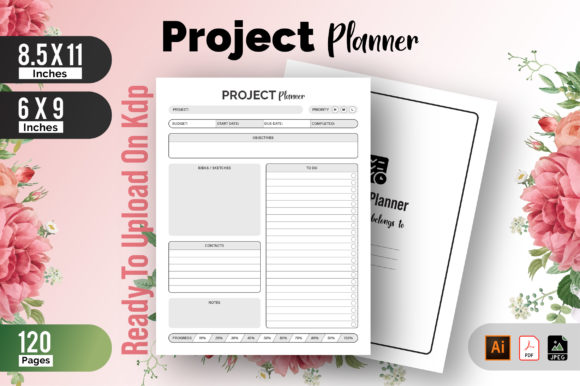
Effective crafting begins long before the first material is cut or assembled. The initial phase of any robust workflow involves capturing and vetting ideas. The sketch your ideas section of the planner provides a low-stakes environment for visual brainstorming. Unlike digital mood boards which can sometimes feel disconnected from physical media, sketching directly in the journal creates an immediate tactile connection to the concept. This space allows for rough diagrams, color testing, and annotation that digital tools often complicate.
However, ideation must be paired with feasibility analysis. This is where the craft bucket list and monthly plans interact. Before committing to a new endeavor, cross-reference your aspirations with your available time and resources. Use the weekly plans to map out realistic milestones rather than optimistic guesses. For professionals and small business owners, this stage also involves preliminary cost estimation. Utilizing the budget tracker early prevents scope creep by defining financial boundaries before purchasing begins. If a project exceeds the allocated budget during the planning phase, it can be adjusted or paused without financial loss.
Sourcing and Inventory Management
A common failure point in creative projects is supply chain mismanagement. Running out of a critical component mid-project or discovering duplicate purchases wastes both time and money. The supplies log and craft inventory sections function as a dynamic database. By maintaining an accurate record of current stock, you streamline the procurement process. When integrated with an online shopping routine, the supplies shopping list ensures that orders are consolidated and shipping costs are minimized.
For educators and workshop leaders, this inventory tracking is vital for scalability. Knowing exactly how many units of a specific material are required per student allows for precise bulk ordering. The expense tracker further refines this process by categorizing expenditures, making tax preparation and grant reporting significantly more accurate. This level of detail transforms crafting from a casual activity into a manageable business operation or educational program.
Execution: Tracking Progress and Maintaining Momentum
Once planning transitions to action, the Craft Project Planner shifts from a strategic document to a tactical dashboard. The craft to-do list breaks down monolithic projects into granular, achievable tasks. Instead of listing "make quilt," effective planning lists "cut batting," "piece block A," and "baste layers." This granularity combats procrastination and provides a dopamine feedback loop as items are completed. The weekly to-do view keeps these micro-tasks aligned with broader deadlines, preventing last-minute rushes that compromise quality.
During execution, the craft calendar serves as a temporal anchor. It visualizes dependencies and hard deadlines, helping users identify bottlenecks before they become crises. For those balancing creative work with other professional or personal responsibilities, this visualization is essential for time-blocking. It allows for honest assessment of capacity, ensuring that creative ideas do not overwhelm existing commitments. The journal aspect also plays a crucial role here; documenting challenges, solutions, and modifications during the build process creates a valuable knowledge base for future projects.
Adapting the System to Diverse Workflows
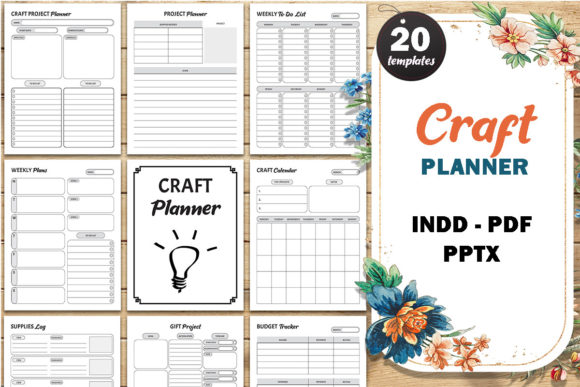
No two creative processes are identical, and rigid systems often fail because they cannot accommodate individual nuance. This is why file versatility matters. Receiving an INDD file (Adobe InDesign source file) and an Editable PPTX file (PowerPoint) grants users total agency over their organizational tools. A freelance designer might prefer to customize the layout in InDesign to match their brand aesthetic, while a teacher might find PowerPoint’s drag-and-drop interface faster for adding student-specific pages or removing irrelevant business sections.
This editability extends to page count and structure. Users can easily add pages for extensive project planner notes or remove sections like gift project tracking if they are irrelevant to their current focus. The ability to modify the source files ensures that the planner evolves alongside the user’s skills and business needs. Whether printed as a bound book or used digitally on a tablet, the system remains relevant because it is not static.
Post-Project Review and Long-Term Organization
The value of a Crafters Journal compounds over time. After completing a project, reviewing the logged data provides insights that memory alone cannot offer. Did the project stay within the budget tracker limits? Was the timeline estimated in the weekly plans accurate? Which suppliers listed in the supplies log delivered quality materials on time? This retrospective analysis turns experience into expertise.
For content creators and bloggers, this archived data is a goldmine. Detailed records of the creative process provide authentic content for tutorials, case studies, and social media posts. The inspiration captured in early sketches can be revisited when creative blocks occur, serving as a reminder of past successes and dormant potential. Furthermore, maintaining a consistent craft inventory across multiple projects helps identify usage patterns, allowing for smarter forecasting and reduced waste in future endeavors.
Technical Specifications and Implementation
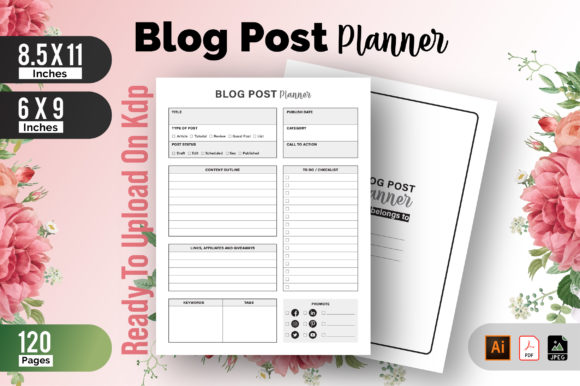
Integrating this planner into a daily routine requires understanding its technical deliverables. The package includes high-resolution PDF file and JPG files sized at 8.5x11 inches, ensuring compatibility with standard home printers and professional print shops. This standard size makes it easy to bind, place in standard binders, or use with common disc-bound systems. The inclusion of multiple formats ensures accessibility regardless of the user's software proficiency or hardware access.
- INDD File: Best for users with Adobe Creative Cloud who require typographic precision, master page adjustments, or professional print-ready output.
- Editible PPTX File: Ideal for users who need to quickly rearrange slides, add text boxes, or insert images without learning complex design software.
- PDF File: The universal standard for printing or annotating on tablets using apps like GoodNotes or Notability.
- JPG Files: Useful for quick reference, digital wallpapers, or importing into other non-editable platforms.
Strategic Integration for Professionals and Educators
For the target audience of professionals, marketers, and educators, this planner is more than a stationery item; it is a productivity asset. Marketers launching product lines can use the craft calendar to align production schedules with campaign launches. Educators can utilize the monthly plans to synchronize art projects with curriculum standards and holiday themes. Small business owners can leverage the expense tracker and supplies shopping list to maintain lean operations and accurate pricing models.
Success with this system depends on consistency rather than perfection. Start by populating the craft inventory and supplies log to establish a baseline. Use the weekly to-do list to guide daily actions, but allow flexibility for the unpredictable nature of creative work. Treat the Crafters Journal as a living document that supports your goals rather than a chore that demands compliance. When used intentionally, this printable project organizer brings clarity to chaos, ensuring that every creative idea has the structural support necessary to reach completion.
Ultimately, the goal is to create a seamless workflow where planning enhances rather than hinders creation. By leveraging the editable nature of the INDD file and PPTX file, users build a personalized command center that respects their unique process. Whether tracking a single gift project or managing a year-long series of commissions, the Craft Project Planner provides the framework needed to turn ambition into tangible reality. It validates the professional approach to creativity, acknowledging that behind every beautiful object lies a deliberate, organized, and thoughtful process.