Evaluating the KDP Interior Lined Paper Notebook: Format, Utility, and Publishing Decisions
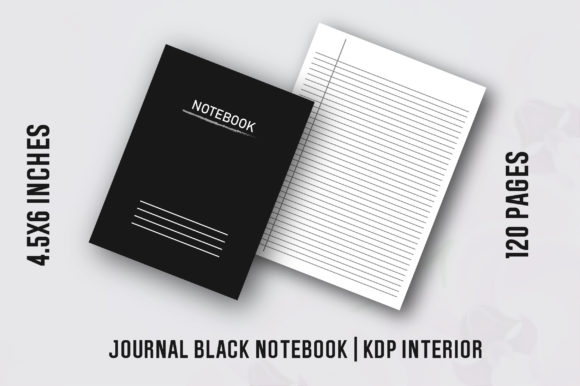
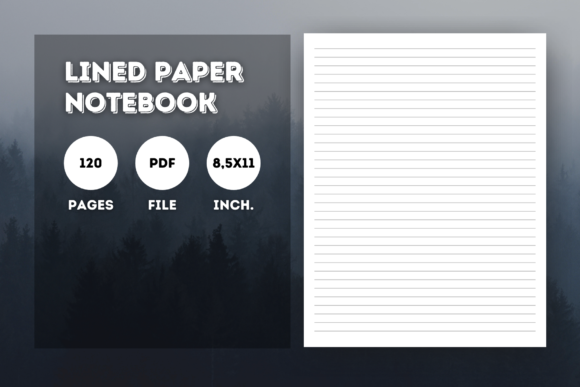
Selecting the correct interior file is often the most critical technical decision for low-content book publishers. Among the various formats available, the KDP Interior Lined Paper Notebook configured as a 120-page PDF at 8.5″ x 11″ with no bleed represents a specific industry standard. This specification is not merely a default setting; it is a calculated balance between production cost, writing utility, and platform compliance. For creators and self-publishers aged 20 to 50 who are analyzing market viability or seeking a reliable journaling solution, understanding the nuances of this exact configuration is essential for making an informed choice.
This format serves as a foundational baseline in the print-on-demand ecosystem. Unlike complex planners or specialized logbooks, a standard lined notebook focuses entirely on versatility. However, "standard" does not imply "simple." The decision to utilize a no-bleed, 8.5″ x 11″ layout involves distinct tradeoffs regarding margins, binding safety, and perceived value. Evaluating this product requires looking beyond the page count and examining how these physical constraints interact with user expectations and manufacturing realities.
Technical Specifications and Platform Compliance
The primary advantage of choosing a pre-formatted KDP Interior Lined Paper Notebook in this specific size is the elimination of guesswork regarding trim sizes and safe zones. Amazon KDP’s printing guidelines are strict, and errors in margin calculation can lead to rejected files or text being cut off during the binding process. A ready-to-print PDF that explicitly states "no bleed" and "8.5″ x 11″ has already accounted for the necessary gutter margins based on the 120-page count.
Understanding the "no bleed" designation is vital for comparison purposes. In printing terminology, bleed refers to artwork or color that extends beyond the trim edge of the page. A no-bleed interior means all content, including lines and headers, must remain within a defined safe zone, typically leaving a white border around the entire page. For lined paper, this is generally preferred over full-bleed designs because:
- Binding Safety: It ensures lines do not disappear into the spine gutter, which is crucial for thicker books like a 120-page volume.
- Writing Comfort: Users typically prefer a margin on the outer edge to prevent their hand from smudging ink near the page cut or to allow space for hole-punching if they intend to archive pages.
- Print Consistency: No-bleed files are less susceptible to minor shifting during the mechanical trimming process, resulting in a more consistent final product.
When comparing this to custom-sized interiors or bleed-enabled templates, the no-bleed 8.5″ x 11″ format offers a higher margin of error tolerance. For those new to publishing or those prioritizing speed-to-market without sacrificing professional quality, this specification reduces the technical risk significantly.
Comparing Size and Page Count Alternatives
While 8.5″ x 11″ is a dominant format, it is not universally superior. Evaluating whether this specific KDP Interior Lined Paper Notebook fits your needs requires comparing it against other common dimensions and lengths. The 8.5″ x 11″ size is essentially US Letter size, which carries specific connotations and use cases distinct from smaller trade sizes.
8.5″ x 11″ vs. 6″ x 9″
The 6″ x 9″ format is the most popular alternative for journals and diaries. When weighing these two options, consider portability versus workspace. A 6″ x 9″ notebook fits easily into bags and is associated with personal reflection, travel journaling, and daily diaries. In contrast, the 8.5″ x 11″ format provides approximately 88% more writing surface area per page. This makes the larger format superior for:
- Academic note-taking and lecture summaries.
- Professional meeting logs where diagramming or extensive lists are required.
- Drafting, brainstorming, and creative writing where spatial freedom aids cognition.
- Users with larger handwriting or visual impairments who require more generous line spacing.
If the intended end-user values portability above all else, the 8.5″ x 11″ option may be too cumbersome. However, if the goal is to provide a functional workspace tool rather than a pocket companion, the larger format is the objectively better choice.
The Significance of 120 Pages
Page count directly influences spine width, production cost, and perceived value. A 120-page count sits in a strategic middle ground. Thinner notebooks (70–80 pages) often feel insubstantial and may have spines too thin to support legible text, reducing shelf visibility. Conversely, high-page-count notebooks (200+) increase printing costs significantly, forcing a higher retail price to maintain royalties.
A 120-page KDP Interior Lined Paper Notebook creates a spine wide enough (approximately 0.3 inches depending on paper type) to display a title clearly, enhancing discoverability. It also offers sufficient longevity for a user to complete a meaningful project or semester without the book feeling excessively heavy or expensive. When comparing resources, verify that the 120-page count aligns with the anticipated duration of use; for weekly planning, 120 pages may be insufficient, but for open-ended note-taking, it is often ideal.
Evaluating Content Quality and Line Spacing
Not all lined interiors are created equal. Even within the specific parameters of an 8.5″ x 11″, 120-page, no-bleed PDF, significant variations exist that affect user satisfaction. When researching options or evaluating a file before purchase or upload, scrutinize the following elements:
Line Spacing Standards: The industry standard for college-ruled paper is typically 7mm or 9/32 inch spacing. Wide-ruled paper usually features 11/32 inch spacing. Selecting the wrong spacing for your target demographic can render a notebook unusable. Adults and professionals generally prefer college-ruled or even narrow-ruled lines to maximize content density, whereas wide-ruled is often associated with primary education. Ensure the PDF metadata or preview confirms the spacing matches the intended audience's preference.
Paper Color and Opacity Simulation: While KDP prints on standard white or cream paper, the digital file should be optimized for these substrates. Pure black lines (#000000) can sometimes appear harsh on white paper. Many high-quality interiors use dark gray (#333333 or similar) for lines to reduce eye strain and create a more premium aesthetic. Additionally, verify that the lines are vector-based or high-resolution (300 DPI minimum). Pixelated or blurry lines in a PDF will result in a poor print quality that generates negative reviews.
Header and Footer Utility: Some lined notebooks include designated spaces for dates, page numbers, or subject headers. These additions transform generic paper into a structured tool. Compare plain lined options against those with functional headers. If the notebook is intended for archival or reference purposes, page numbers and date fields add significant utility. For pure free-writing or sketching, unadorned lines offer greater flexibility.
Decision Factors: When This Format Is the Right Choice
Determining whether to proceed with this specific KDP Interior Lined Paper Notebook configuration depends on aligning product specs with user intent. This format excels in scenarios demanding standardized, reliable, and spacious writing surfaces. It is particularly well-suited for:
- Educational Markets: College students and adult learners frequently require letter-size notebooks for coursework. The 8.5″ x 11″ dimension accommodates textbook annotations and extensive lecture notes better than compact journals.
- Corporate and Office Use: Professionals often prefer letter-size notebooks that match standard document sizes, making them easier to file alongside reports and memos.
- Therapeutic and Coaching Resources: Practitioners providing clients with journaling prompts often benefit from the larger canvas, which can feel less restrictive and more inviting for expressive writing.
- First-Time Publishers: For creators testing the KDP platform, this format minimizes variables. The no-bleed requirement simplifies cover design alignment, and the standard size avoids niche category saturation.
Limitations and When to Seek Alternatives
Despite its versatility, this format has limitations. Recognizing when not to use this specification is as important as knowing when to use it. Readers and publishers should consider alternatives if:
- Portability is Paramount: If the use case involves commuting, fieldwork, or travel, 8.5″ x 11″ is impractical. A 5″ x 8″ or 6″ x 9″ alternative is necessary.
- Specialized Tracking is Required: Generic lined paper cannot effectively serve as a fitness log, financial tracker, or meal planner. Structured interiors with tables, checkboxes, or specific metrics are superior for data-driven tracking.
- Premium Aesthetic is the Goal: Standard white paper with black lines is utilitarian. If targeting a luxury gift market, consider cream paper, dot grid layouts, or decorative borders that require bleed capabilities and different file specifications.
- High-Density Reference is Needed: For users who write very small or need to fit maximum information per page, legal-size (8.5″ x 14″) or A4 formats might offer better utility, though availability on KDP varies by marketplace.
Making an Informed Selection
The KDP Interior Lined Paper Notebook in 8.5″ x 11″, 120-page, no-bleed format represents a pragmatic intersection of manufacturing efficiency and user utility. It avoids the complexities of bleed management while providing ample space for serious writing tasks. For adults comparing notebook options, whether for personal use or publication, this specification offers a reliable benchmark.
Ultimately, the decision should stem from a clear understanding of the end-user’s environment and objectives. By evaluating line spacing, paper size implications, and page count economics against specific needs, you can determine if this standard format serves as the optimal solution or if a specialized alternative is warranted. Prioritizing functional fit over generic popularity ensures that the selected notebook delivers genuine value, whether it sits on a student’s desk, a professional’s conference table, or a retailer’s digital shelf.